






Endocrinology
Murfreesboro Medical Clinic’s endocrinology department, located in Rutherford County specializes in the diagnosis and treatment of diseases of the endocrine system. Our endocrinology experts see patients for the full spectrum of diseases including diabetes, hypothyroidism, hyperthyroidism, goiters and thyroid nodules.
Our caring and knowledgeable providers strive for the highest level of care for our patients, providing the most up-to-date Endocrine care in a patient-centered, compassionate manner. From diagnosis to treatment, we customize treatments specific to your needs.
Physicians

Advanced Practice Providers

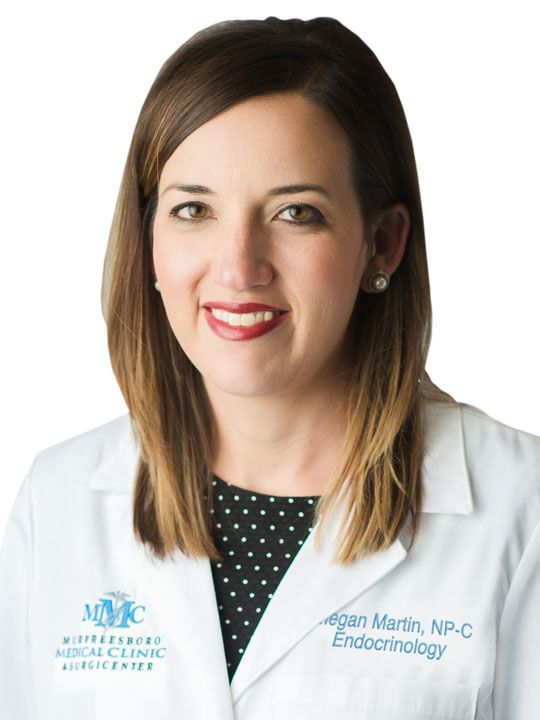

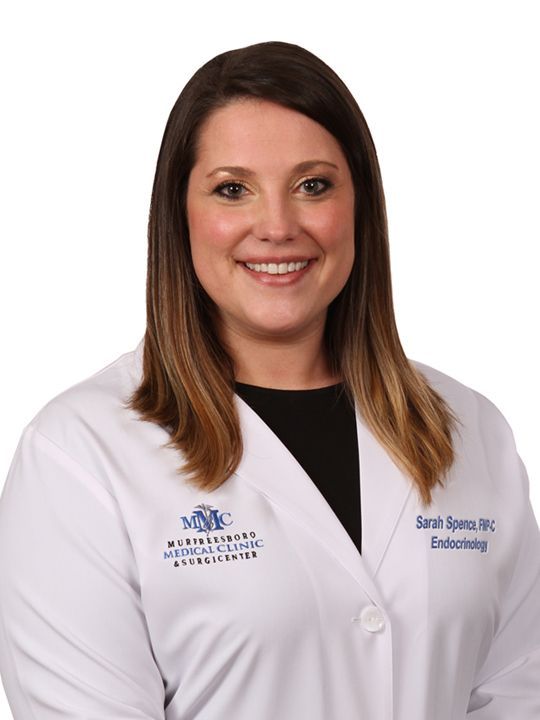
Conditions We Treat
- Diabetes
- Hyperthyroidism
- Hypothyroidism
- Goiters/thyroid nodules
- Thyroid cancer
- Hyperparathyroidism
- Hypoparathyroidism
- Osteoporosis
- PCOS
- Male hypogonadism
- Pituitary disorders/tumors
- Adrenal disorders/nodules
Contact us today at 615-867-8130 to schedule an appointment with one of our Endocrinology Specialists.
Testing & Services
Our providers perform a variety of test and procedures to ensure you are diagnosed and treated properly. These include:
- Blood studies
- Ultrasound
- Nuclear medicine imaging
- Fine-needle biopsy
- Dynamic endocrine testing
- Radioiodine therapy for hyperthyroidism/thyroid cancer
- Insulin-pump
- Continuous-glucose-monitoring management
-Eversense 365, Dexcom, and FreeStyle Libre
- Drug therapy for selected obesity patients
Diabetes
Diabetes is a disease which causes the body to store and use glucose (a form of sugar) ineffectively. Diabetics usually see an endocrinologist when blood sugar control becomes difficult. Early involvement allows us the best chance to prevent serious complications resulting from the disease. We provide the patients with the knowledge and tools they need to manage their diabetes.
Complications from diabetes can include damage to the blood vessels, kidneys and eyes. It can also cause problems with cognition and memory. Several studies have linked unmanaged diabetes with an increased risk of Alzheimer’s disease. Furthermore, diabetes can cause changes in the skin, making it harder to heal following injury and also making skin more prone to damage, which increases the risk of serious infections. Nerve damage, especially in the feet, is also common.
Diabetes is a chronic condition that requires ongoing management to help prevent serious complications. Diabetes requires active management to keep blood sugar levels under control. Treatment can include changes in diet and exercise, losing excess weight, routine blood testing using special kits to monitor the level of blood glucose throughout the day and the use of insulin to help keep blood sugar levels in check. Routine office visits are also important to detect signs of nerve damage, circulatory problems and other complications. Our specialists will also make sure additional testing and screenings are performed to prevent complications from occurring.
Diabetes can vary from patient to patient, so your treatment plan will be specific to your needs.